- Home
- Customer Service
- Permits
Permits
A permit is required before performing work on public sewer infrastructure or private sewer laterals.
To apply for a sewer permit, view the "How to Apply" tab below.
Events requiring a permit include, but are not limited to:
- Pressure Tests
- Partial or Full Replacements
- Repairs, Clean Outs, Backflow Prevention Devices
- New Connections, New Construction, Remodels
- Septic-to-Sewer Conversions
- Public Sewer Extensions
- Pool Drains, Discharge Permits
- Abandonment
Funding Opportunities
Visit our Grants & Loans page for more information.
Contractors must submit a complete packet including:
- Sewer Permit Application – Download the Application.
- Video Inspection: Submit on DVD or flash drive.
- Video Inspection Report Form.
- Site Plan Sketch – View samples: Residence Sketch and HOA Sketch.
- Payment – Checks only. See our "Fees" tab.
For remodels and new construction, submit a set of building plans via email.
Complete applications can be mailed or dropped off at our office during business hours. Incomplete applications will be rejected.
Ordinance Compliance
On May 22, 2024, RVSD adopted Ordinance No. 93, repealing Ordinance No. 92. The ordinance covers fees for permits, inspections, new connections, and remodels. Version Opt
RVSD Fees
Permit fees are non-refundable and are adjusted annually on July 1. View our current fee schedule for details.
CMSA Fees
We also collect capacity fees on behalf of CMSA. View CMSA's fee schedule for details.
SB 330 Notice
RVSD fees are adopted by ordinance and adjusted annually based on the ENR CCI; therefore, they are not subject to SB 330 vesting provisions, in accordance with Gov. Code § 65589.5(o)(2)(A).
If you are planning to add an Accessory Dwelling Unit (ADU) to your property, be aware that permit and capacity fees may apply. An ADU is defined as a separate, attached or detached residential unit that does not exceed 1,200 square feet. Under Ordinance 93, ADUs are classified into four distinct types. Refer to the descriptions below to determine whether your project will be subject to capacity charges. To view the current fee schedule, click on the "Fees" tab.
Type 1:
Constructed within the existing interior space and exterior walls of a single-family residence (includes Junior ADUs). No capacity charges.
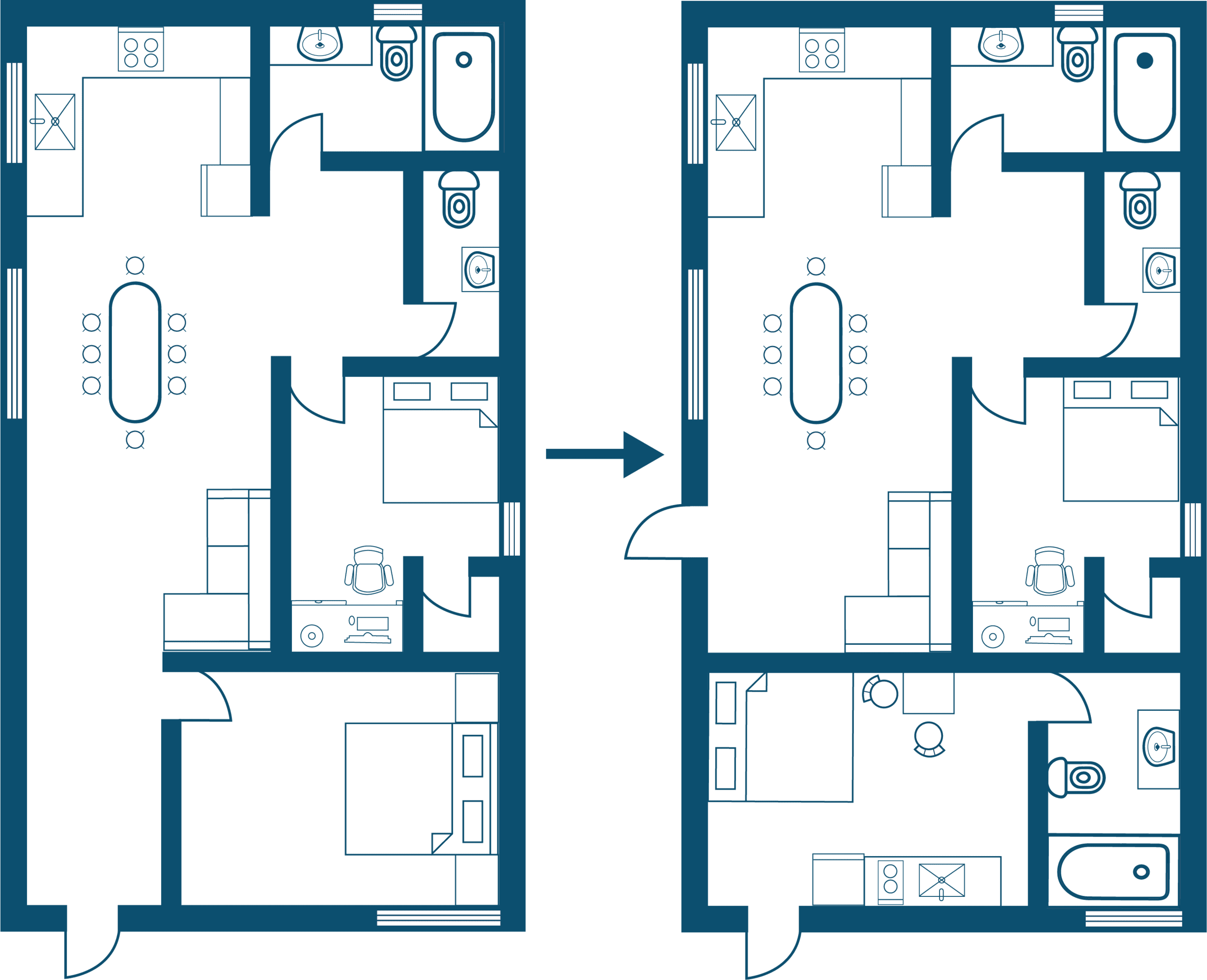
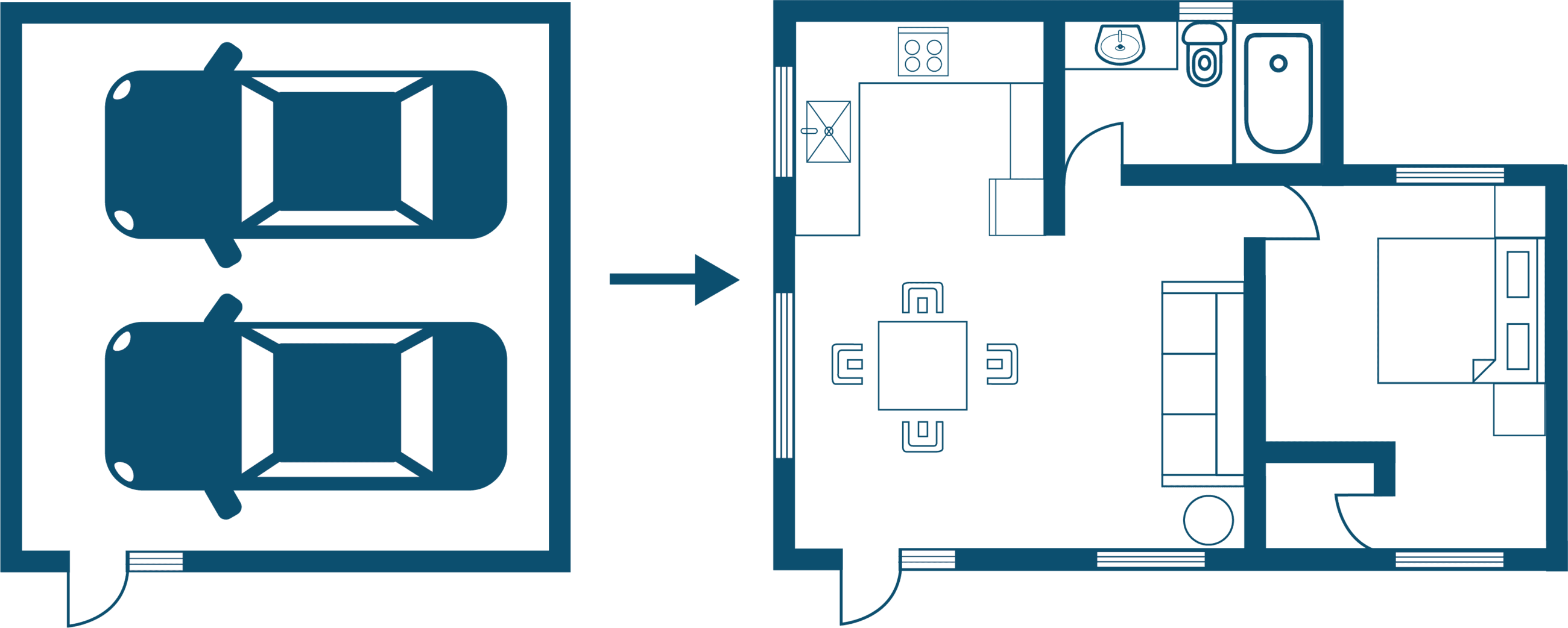
Type 2:
Constructed by expansion or addition to an existing single-family residence or accessory structure. Capacity charges.
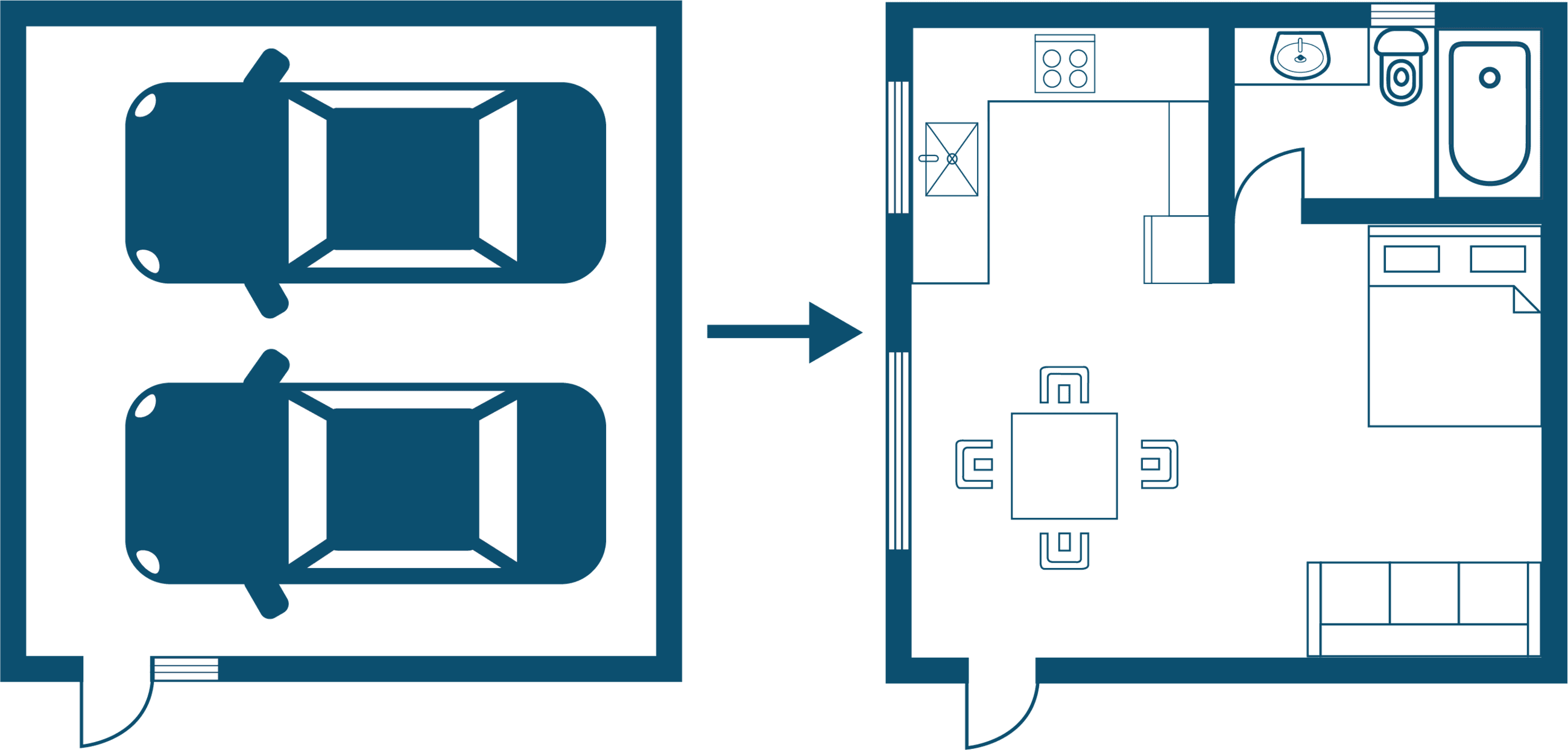
Type 3:
Constructed by conversion of an existing, detached accessory structure. No capacity charges.
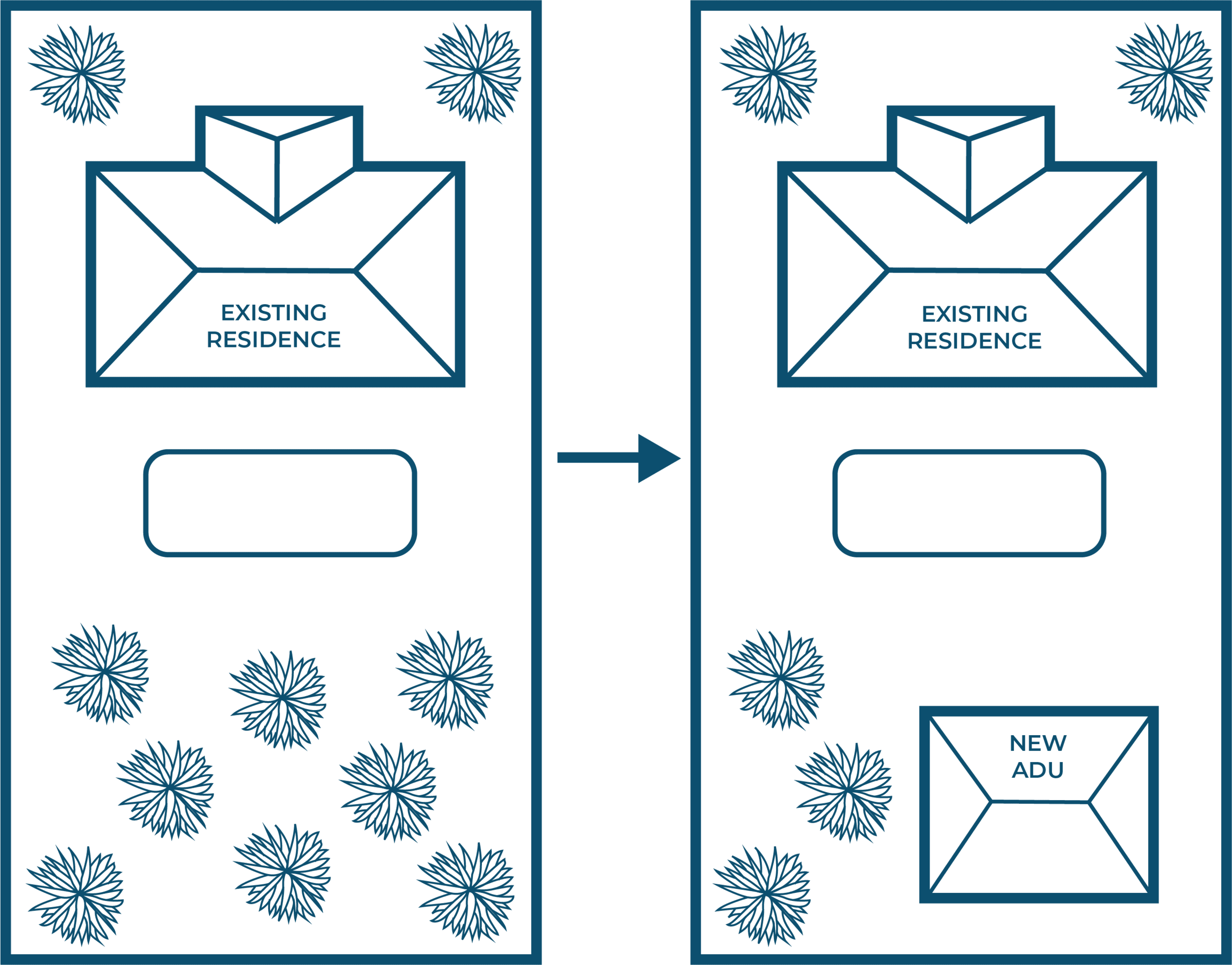
Type 4:
Newly constructed detached ADU on the same residential parcel. Capacity charges.
DISCLAIMER: The information in the examples above is for general illustrative purposes only and should not be relied upon for any particular property or as a basis for any financial or other commitments. Property owners are strongly encouraged to consult a professional regarding site-specific conditions and obligations.
Before Hiring
Make sure any plumber you hire is licensed and familiar with District standards and procedures. Visit the California Contractors State License Board for more information.
Local Contractors
View a List of Local Contractors. Contractors may schedule a pre-construction site meeting with a District Inspector to discuss standards, specifications, and requirements.
Public Sewer Extensions (PSX)
To extend District sewer pipes to accommodate new development, contractors must follow RVSD standards and submit a PSX application. Before submitting, contact RVSD to discuss permit procedures and requirements. View our Standard Specifications & Drawings and Approved Materials.
Annexation Process
For parcels not currently served by RVSD, follow the process to transfer sewer service to our District. View the Annexation Process (PDF).